How Imago Dei Shapes Dignity, Pastoral Care, and Biblical Study
Imago Dei is Latin for “image of God,” and it names the biblical claim that every human being is made to reflect and represent God, a truth rooted directly in Genesis 1:27. Theologians have argued for centuries about what exactly that image consists of, and three main answers have emerged: a substantive view (something in our nature), a relational view (something in our connections), and a functional view (something in our purpose). What follows walks through all three, along with what the doctrine has meant for human dignity, Christ, and the church, with help from resources like Biblemanna along the way.
TL;DR:
- The substantive view of imago Dei emphasizes human reason, moral judgment, or creative power as core to God’s image, a perspective historically dominant in theology.
- The relational view sees being made in God’s image as reflecting the importance of relationships with God and others, highlighted by the Genesis pairing of male and female.
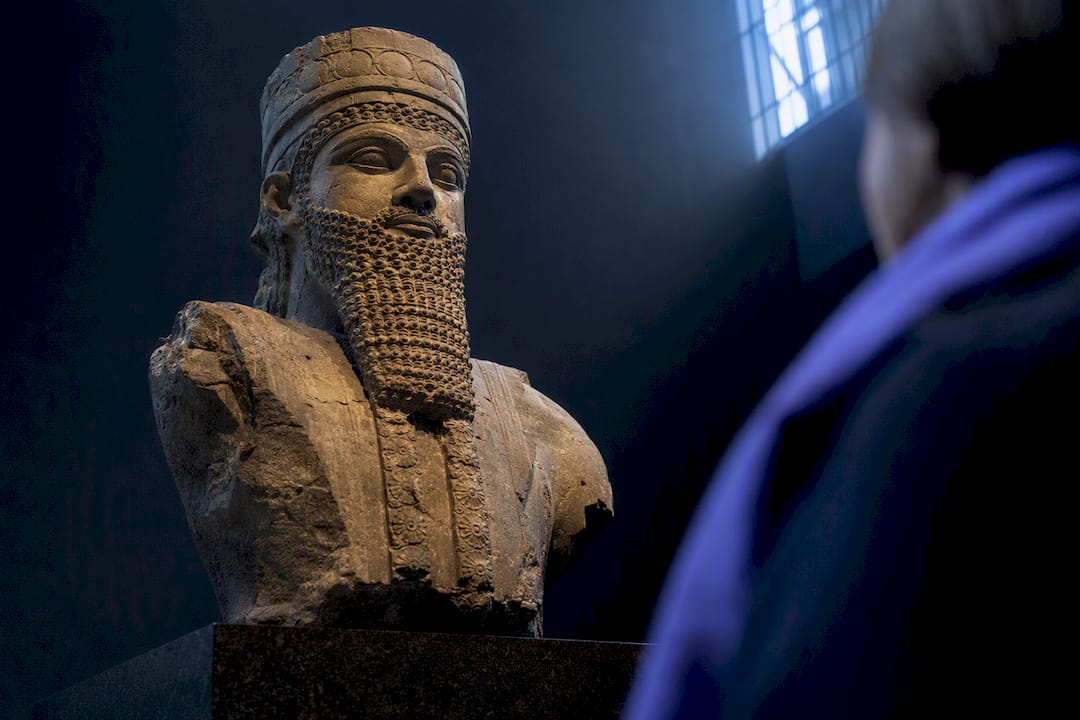
- The functional or royal view interprets the image as humans’ role to govern and care for creation, similar to how ancient kings represented their rule through statues in conquered territories.
- Modern theology affirms that all people bear the full image of God without exception based on race, gender, or ability, countering past misuse that justified inequality.
- The New Testament depicts Christ as the complete image of God and believers as being progressively conformed to that image through salvation and sanctification.
Table of Contents
- What Does Imago Dei Mean in the Original Languages?
- What Are the Biblical Texts Behind Imago Dei?
- Substantive, Relational, and Functional Readings
- Why Does Imago Dei Matter for Human Dignity?
- How Does Christ Fulfill the Image of God?
- Has Imago Dei Been Misused in History?
- Studying Imago Dei With Biblemanna’s Verse Collections
- A Pastoral Word on Imago Dei
- Go Deeper With Biblemanna’s Scripture Tools
- Sources
- FAQ
What Does Imago Dei Mean in the Original Languages?
The Hebrew text of Genesis uses two words: tselem (image) and demut (likeness). Ancient Greek translators rendered tselem as eikon, the same word Paul later applies to Christ. Latin theologians settled on imago, giving us the term still used today.
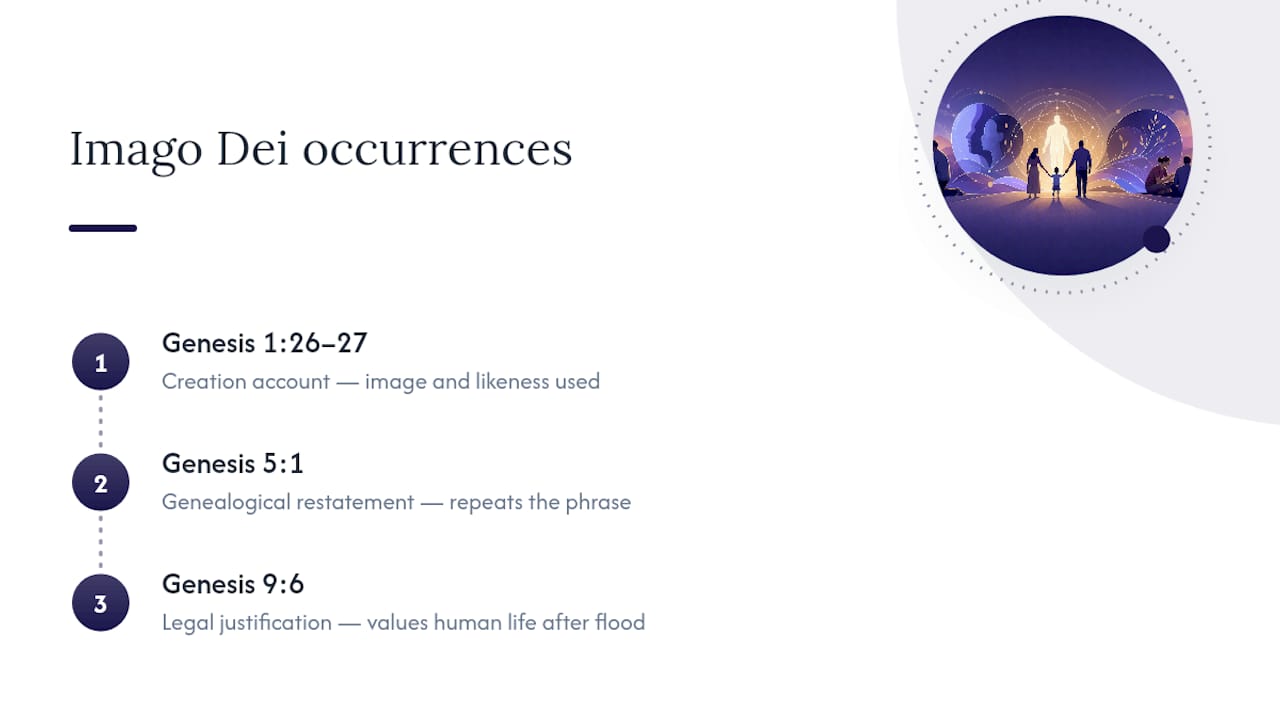
The phrase shows up three times in Genesis: the creation account in Genesis 1:26–27, a genealogical restatement in Genesis 5:1, and a legal justification for valuing human life in Genesis 9:6, after the flood. Each occurrence assumes readers already understand the concept, which is part of the puzzle. Scripture never stops to define the phrase outright; it simply uses it.
That matters for interpretation. Genesis was written into a world where kings and cultic statues were called the “image” of a god, marking territory or a temple as belonging to that deity. Genesis borrows that royal language and applies it to every person, not just the ruler on the throne. It is a striking move, and it is one reason scholars insist on reading the text against its Ancient Near Eastern backdrop rather than treating it as a stand-alone philosophical statement.
What Are the Biblical Texts Behind Imago Dei?
The doctrine rests on a small number of passages, but they carry outsized theological weight. Genesis 1:26–27 records God saying “Let us make man in our image, after our likeness,” then states plainly that God created humanity, male and female, in that image. Genesis 5:1 repeats the claim as Adam’s line continues, showing the image passes to every descendant, not just the first couple. Genesis 9:6 draws the ethical conclusion: murder is forbidden because the victim bears God’s image.
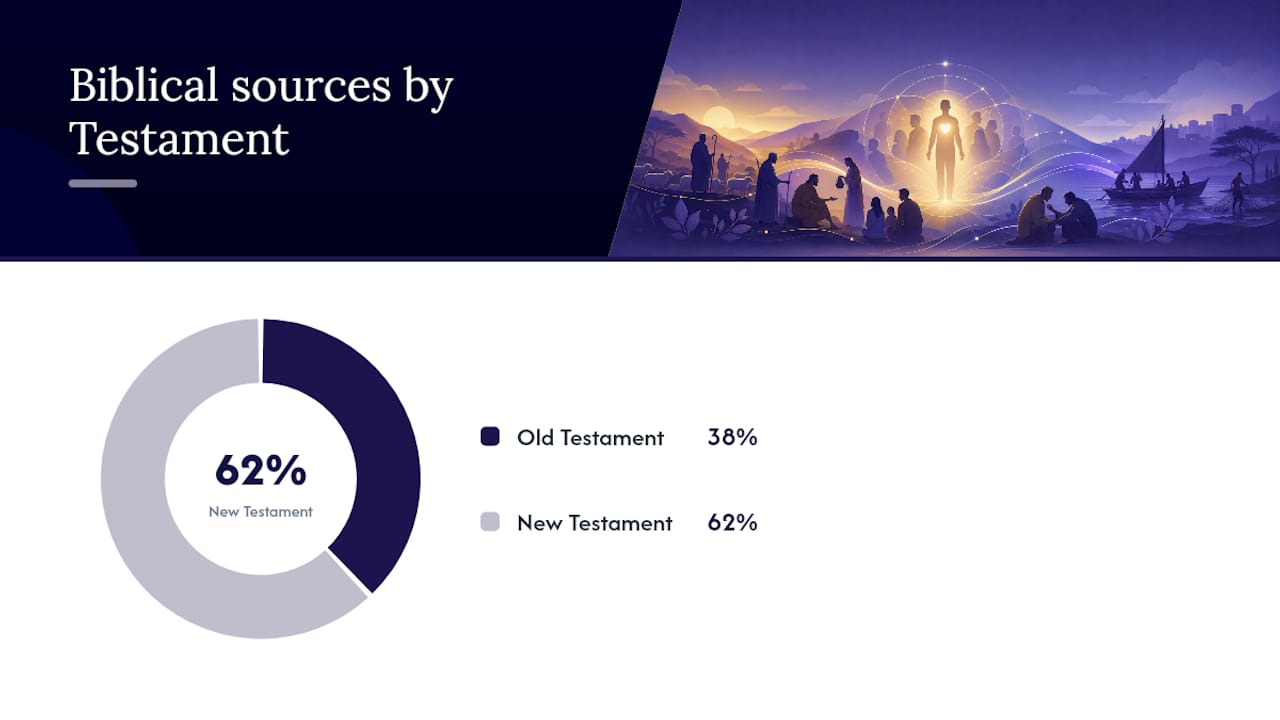
The New Testament reshapes the idea around Christ. Key texts include:
- 2 Corinthians 4:4 and Colossians 1:15, which call Jesus the image of God in the fullest sense.
- Romans 8:29, where believers are described as being conformed to the image of God’s Son.
- Colossians 3:10, which frames spiritual renewal as being remade in the image of the Creator.
- James 3:9, which echoes Genesis 9:6 by condemning cursing others because they bear God’s likeness.
Paul’s letters treat the image not as a static fact but as something distorted by sin and actively being restored. That shift, from static endowment to dynamic renewal, is one of the more overlooked developments in New Testament theology, and it sets up everything the church later says about salvation reshaping human character.
Substantive, Relational, and Functional Readings
Ask ten theologians what imago Dei actually consists of, and you will get three basic families of answers. Scholarship generally sorts them into substantive, relational, and functional categories, and each one answers a slightly different question about human nature.
- The substantive view locates the image in something humans possess: reason, a soul, moral judgment, or creative capacity. This was the dominant reading for most of church history, shaped heavily by Augustine and later scholastic theology, and it still shows up in most popular explanations of the doctrine.
- The relational view locates the image in connection rather than composition. Being made in God’s image means being made for relationship, with God and with other people. Karl Barth pushed this reading hard in the twentieth century, pointing to the “male and female” pairing in Genesis 1:27 as evidence that relationship itself is part of the design.
- The functional (or royal) view reads the image as a job description. Humans are placed on earth as God’s representatives, tasked with governing and caring for creation the way an ancient king’s statue represented royal authority in a distant province. Richard Middleton’s work has become a standard reference point for this reading, arguing that the image carries cultic and priestly overtones, not just political ones.
Most contemporary scholars treat these as complementary rather than competing. Humans reflect God in what they are, how they relate, and what they are called to do.
Pro Tip: Read Genesis 1 alongside ancient royal inscriptions if you want the functional reading to click. Kings in the ancient Near East set up statues of themselves in conquered territories to represent their rule. Genesis takes that same image and hands it to every person, not just royalty.
Why Does Imago Dei Matter for Human Dignity?
The doctrine has done heavy lifting outside the seminary classroom. Modern theologians, including Jürgen Moltmann, have leaned on imago Dei as a biblical foundation for universal human rights, arguing that dignity is not earned through ability, productivity, or social status. It is granted by creation itself.
That has real consequences for how a congregation treats people:
- It grounds arguments against treating the elderly, disabled, unborn, or dying as less valuable.
- It challenges economic systems that measure worth by output rather than personhood.
- It shapes pastoral care for people struggling with shame, addiction, or self-worth, since the doctrine insists their value was never up for debate.
- It informs how churches approach justice work, since harming another person is, in biblical logic, an offense against God’s own image.
Pastorally, this plays out in small moments as much as big ones: a hospital visit, a conversation with someone who feels worthless, a sermon on immigration or poverty. The doctrine gives ministers a concrete anchor rather than a vague appeal to kindness.
How Does Christ Fulfill the Image of God?
Paul calls Jesus “the image of the invisible God” in Colossians 1:15, and 2 Corinthians 4:4 makes the same claim. Where humanity’s reflection of God is partial and damaged, Christ’s is complete. Catholic teaching builds directly on this: the image, marred by sin, is restored and perfected through grace, baptism, and union with Christ.
Romans 8:29 extends the logic forward, describing believers as being conformed to the image of the Son over time. That is not instant repair. It is a process, tied to sanctification, that Paul elsewhere describes as being renewed “from glory to glory.” The church, collectively, becomes the visible outworking of that restored image, and passages about a “new creation” point toward a final state where the distortion is undone entirely, not just managed.
Has Imago Dei Been Misused in History?
The doctrine has not always been applied consistently. Historical readings sometimes carved out exceptions, treating certain races or women as bearing the image in a diminished or secondary sense, a distortion later theology has firmly rejected. Yale’s Reflections has documented how these misapplications shaped real injustice, from slavery apologetics to exclusionary church practice.
Modern theology insists there are no gradations of the image. Every person carries it fully, without exception based on ability, gender, ethnicity, or age. Teaching the doctrine responsibly means saying that explicitly, not assuming congregations will infer it.
Studying Imago Dei With Biblemanna’s Verse Collections
Wrestling with a doctrine this dense goes better with the text open in front of you. Biblemanna’s topical verse collections group scripture on creation, dignity, and restoration with context notes explaining each passage, so you are not hunting through commentaries to figure out why a verse matters. The free study tools, including a random verse generator and topic quizzes, work well for personal reflection or small-group prep on themes tied directly to imago Dei.
A Pastoral Word on Imago Dei
Doctrine that never touches daily life is not much use to anyone. Imago Dei should change how you see the stranger, the difficult coworker, and yourself on a bad day. Read it alongside the actual passages, not just summaries of them. Biblemanna’s topical pages exist precisely for that kind of slow, text-first study.
— Nkosi
Go Deeper With Biblemanna’s Scripture Tools
Biblemanna gives you full passages with context, not just verse references pulled out of thin air, which matters when a doctrine like this depends so heavily on how individual words and phrases are used. The topical Bible verses hub groups scripture by theme, so you can move from Genesis 1:27 straight into related passages on dignity, creation, and restoration without losing your place. If you want to widen the study further, the topics directory covers related concepts like the Creation and faith, each with its own curated verse set and background notes.
For a hands-on way to keep studying, try the free Bible tools for quick verse lookups between sessions, or start with the topical verse collection now to see how Genesis 1:27 connects to dignity, restoration, and Christ across the rest of scripture.
Sources
- PBS: Theogloss — Imago
- Vatican: Communion and Stewardship document
- Richard Middleton — Image of God (PDF)
- St Andrews Encyclopaedia of Theology — Image of God
- Wikipedia: Imago Dei
FAQ
How Is Imago Dei Pronounced?
It is typically pronounced “ih-MAH-go DAY-ee,” following classical Latin conventions, though pronunciation varies slightly by region and tradition.
What Language Is Imago Dei?
Imago Dei is Latin, translating the Hebrew phrase from Genesis 1:27 that English Bibles render as “image of God.”
What Do Catholics Mean by Imago Dei?
Catholic teaching holds that the image of God in humanity was damaged by sin but is restored and perfected through grace, baptism, and union with Christ, making Jesus the model of what a fully restored image looks like.
Which Generation Will Not Pass Away?
This question comes from Jesus’ eschatological sayings about a future generation witnessing certain end-time events, and it is a separate topic from imago Dei, tied to Gospel prophecy rather than the doctrine of the image of God.
Is Imago Dei Only About Human Reason and Intelligence?
Not exclusively. While the substantive view emphasizes reason and moral capacity, most contemporary scholars also weigh relational and functional dimensions, meaning the image includes how humans relate to others and their calling to represent God in creation.